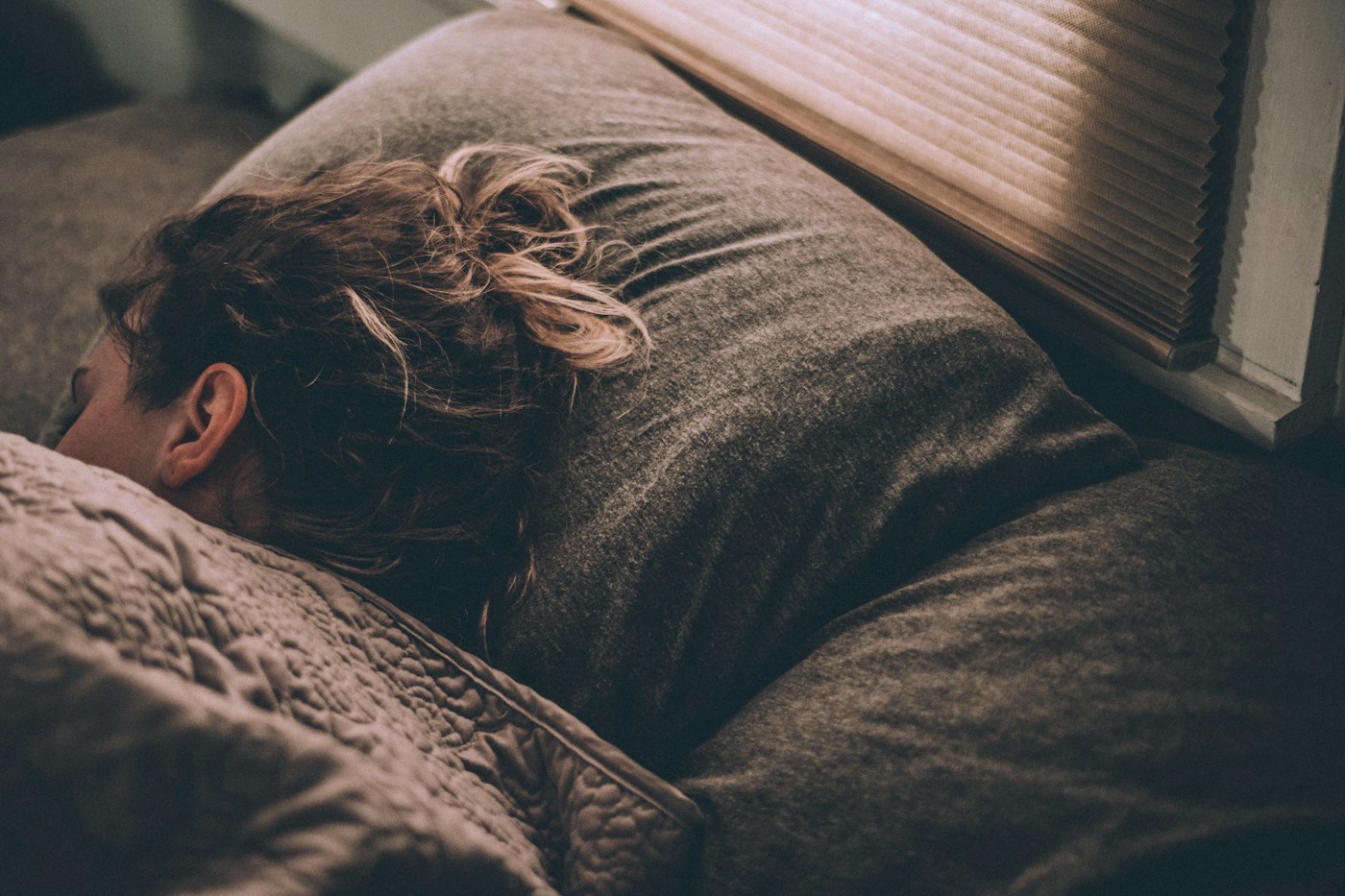
A brief nap can make an exhausting afternoon feel more manageable, yet a long late-day nap can sometimes disturb nighttime sleep.
Looking Beneath the Surface
Sleep pressure accumulates while we are awake. A short rest may reduce sleepiness and improve alertness, although its effects depend on timing, duration and the person.
The transition between waking, resting and dreaming can invite reflection. It can also expose stress and fatigue. Treating sleep with respect means welcoming curiosity while protecting the ordinary routines that keep us well.
There is a social side to this subject, too. People inherit strong ideas about what sleep should look like, how dreams should feel and how productive mornings ought to be. Comparing experiences can be useful when it does not become a competition.
A Small Experiment
If your schedule allows, experiment with a short early-afternoon nap in a safe place. Notice how you feel afterward and whether your regular bedtime changes. Even quiet rest without sleep may be pleasant.
It can help to write down one detail while it is fresh. You are collecting observations, not constructing a dramatic personal transformation story for other people to admire.
What to Keep in Mind
Avoid napping while responsible for safety-sensitive work. If you are frequently sleepy despite enough time in bed, consider medical advice.