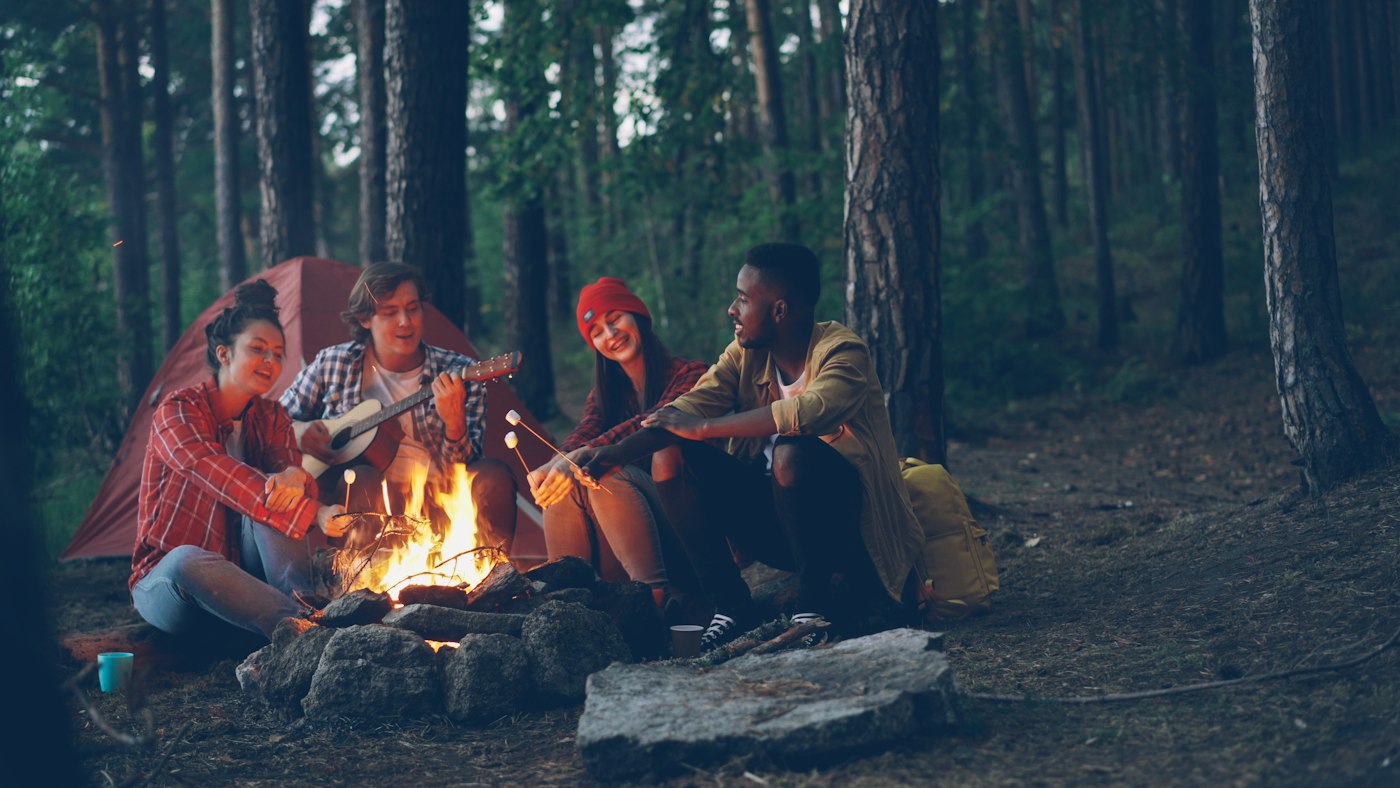
Many conversations reward quick responses. A talking circle changes the rhythm by allowing one person to speak while the others listen.
Looking Beneath the Surface
A shared object can mark whose turn it is, but the real practice is respecting time, silence and voluntary participation. The format is a social tool rather than a guarantee of consensus or healing.
A community is not simply a crowd with matching interests. It is a collection of repeated choices about how people are welcomed, how resources are shared and how disagreements are handled.
Culture is most visible when something goes wrong: a late arrival, disagreement or a task nobody wants to do. Preparing a calm response in advance makes generosity easier when people are tired.
A Small Experiment
Agree on a short topic and a time limit before starting. Pass an ordinary object, let each person speak or pass, and discourage unsolicited advice. Finish by naming one idea the group wants to carry forward.
Give yourself permission to modify the activity. A practice that fits a real life, with all its demands and interruptions, is more valuable than a perfect method that never gets used.
What to Keep in Mind
Do not present casual circles as professional therapy. Never demand personal disclosure, and respect Indigenous traditions rather than casually claiming to reproduce them.