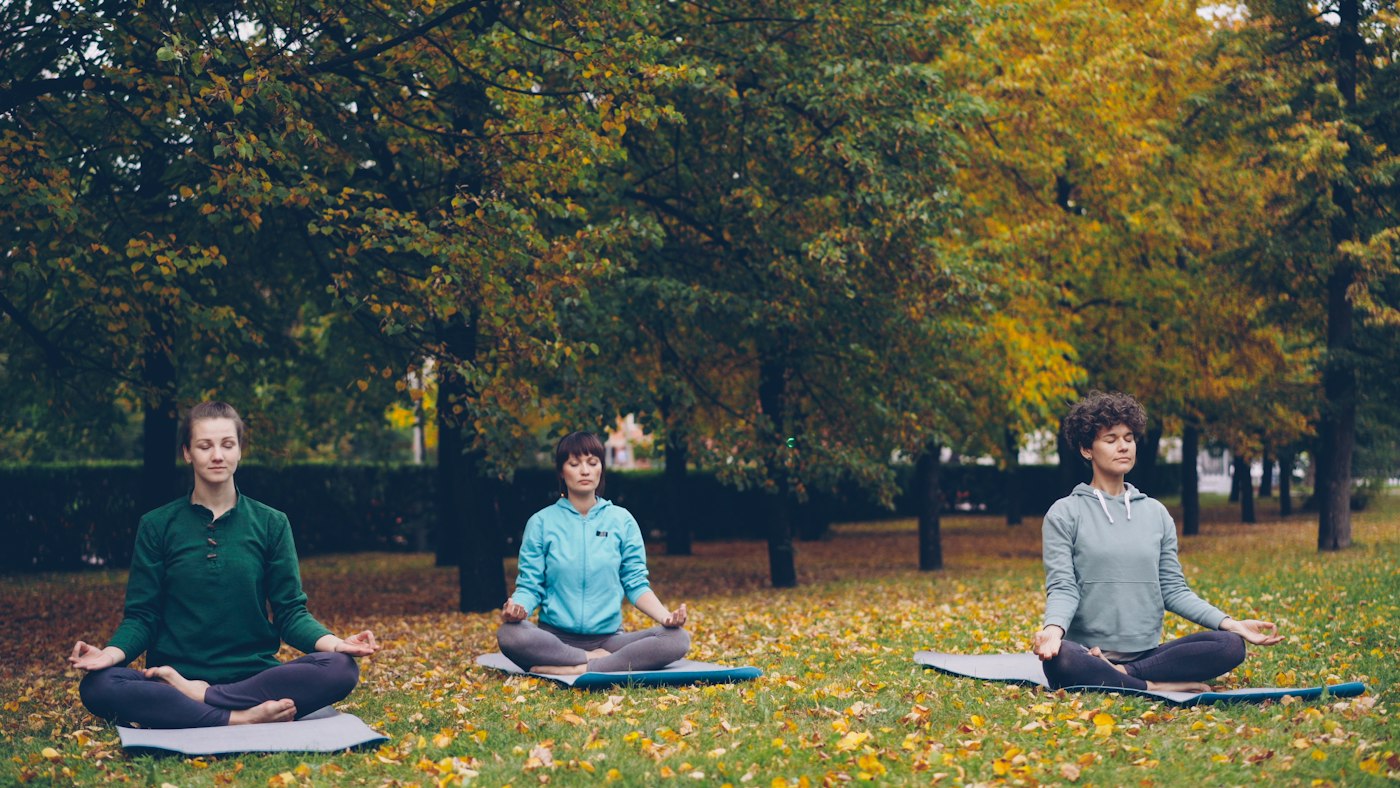
A stressful day can make your attention feel like a browser with fifty tabs open. A structured three-minute pause offers a way to stop clicking for a moment.
A Practice, Not a Performance
This short exercise draws on mindfulness-based approaches: notice experience, gather attention, then widen it again. It is not an emergency treatment for panic or medical distress.
For some people, inward focus brings up difficult feelings. A thoughtful practice includes ways to reconnect with the surroundings, choose a different technique, or speak with a professional if needed. This flexibility can make learning more sustainable than a rigid promise to empty the mind.
Try a Short Practice
- In minute one, observe thoughts, feelings and sensations without a verdict.
- In minute two, notice natural breathing at one comfortable spot.
- In minute three, widen attention to the whole body and nearby room.
Keep it available before a meeting, a drive or a difficult conversation. The structure helps because it tells you what to do without demanding that you feel peaceful.
After trying it, jot down the one moment that surprised you: a thought, a sound, a body sensation or the wish to stop. This small observation is more informative than scoring whether you achieved calm.
What to Keep in Mind
If breath attention aggravates anxiety, focus on feet, sounds or visual details. Never practice with eyes closed while driving.
Mindfulness and meditation are usually low risk but are not entirely risk-free. People can experience anxiety or other distress; change techniques or get support rather than pushing through. These practices are not substitutes for needed medical or mental health care.