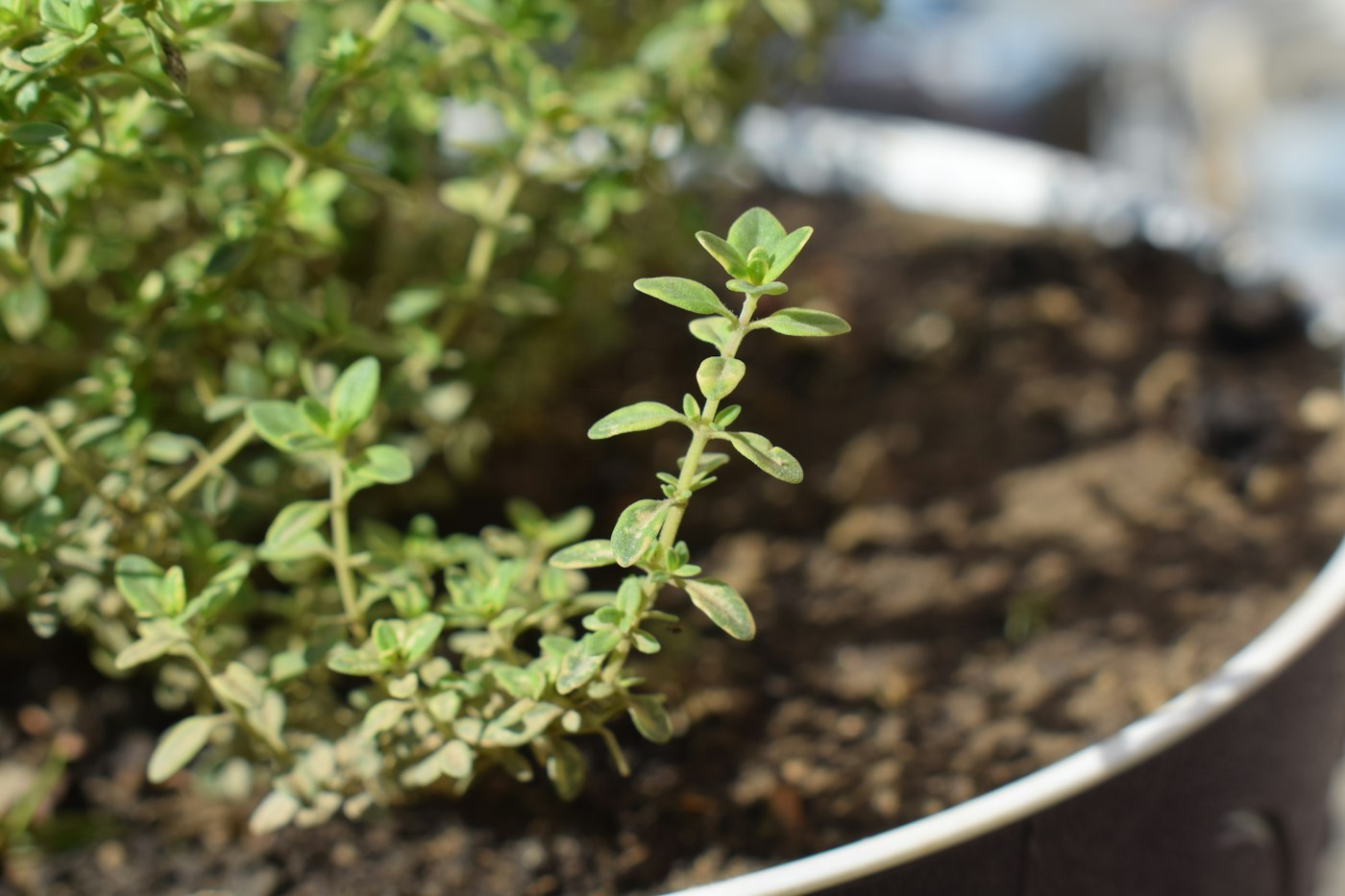
The same kitchen herb appears in aromatic teas, steam bowls and strong extracts. The shared name can hide very different exposures.
What the Remedy Can and Cannot Tell Us
Hot steam carries a genuine burn risk, especially for children, while concentrated volatile oils can irritate the airways. A culinary tea is not equivalent to medical inhalation treatment.
Homemade products introduce additional issues such as contamination, unstable recipes and allergy risk. The safest workshop may focus on label-reading, ordinary food preparation and choosing when professional care is required.
A Grounded At-Home Approach
- For a safer sensory experiment, smell fresh food-grade thyme while cooking and prepare an ordinary thyme-flavored meal.
- Compare the aroma before and after gentle heating without leaning over steaming water.
When evaluating a remedy blog, separate claims about hydration, warmth, aroma and actual treatment of infection. Check whether any cited research used the same preparation.
Compare two products with similar marketing. Write down their exact ingredient lists and warning labels, then ask whether they can reasonably be expected to behave the same way.
What to Keep in Mind
Avoid inhaling concentrated essential oils or bending over bowls of scalding steam. Seek care for breathing difficulty, persistent fever or worsening symptoms.
Herbal products can cause adverse reactions and interact with medicines. Do not abandon prescribed care or use herbs to treat emergencies. Some groups—including infants, pregnant people, and people with chronic illness—need special care. Contact Poison Help at 1-800-222-1222 after suspected exposures in the United States.