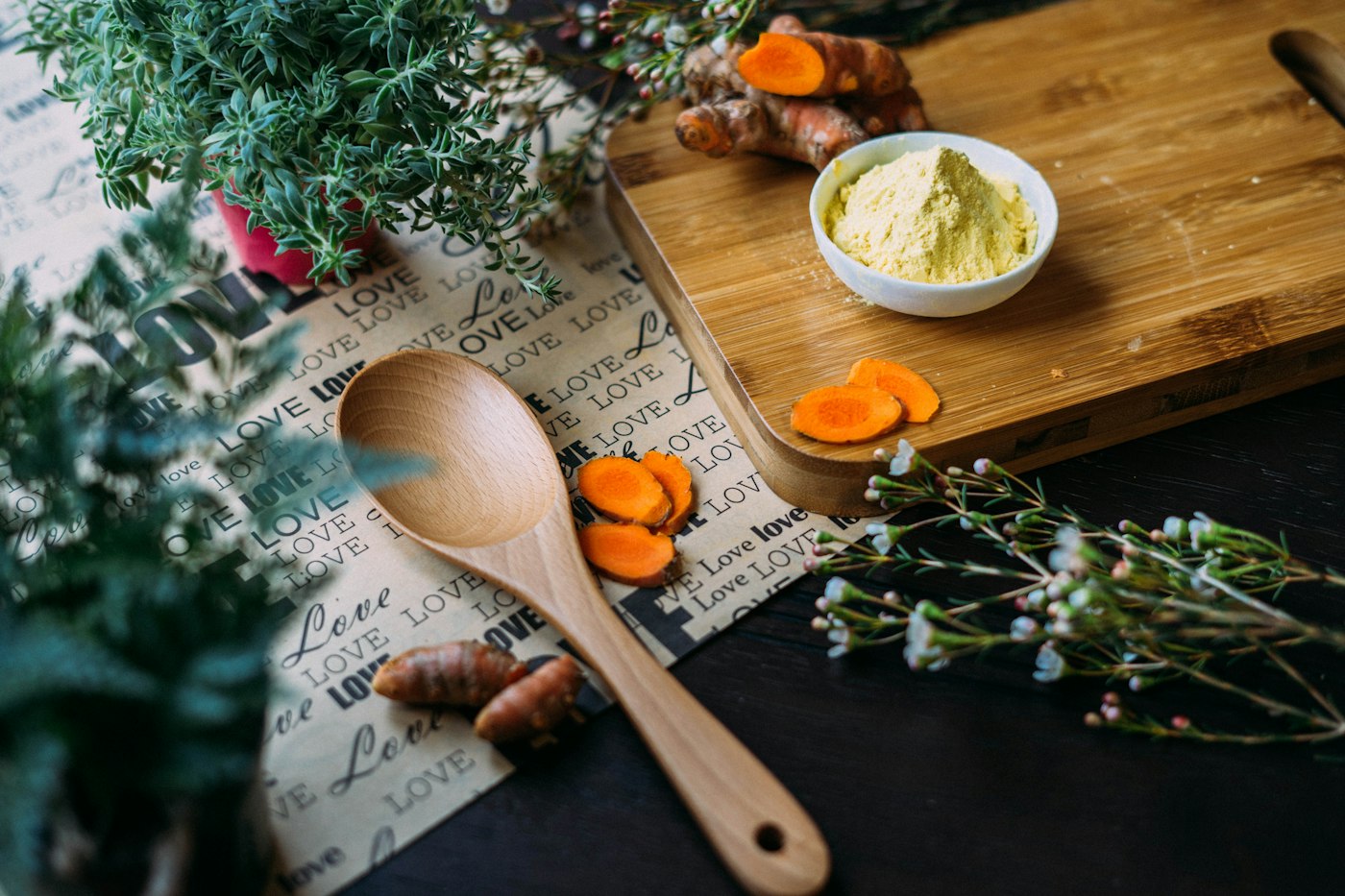
Golden milk looks dramatic enough to promise dramatic results. Its bright color comes from turmeric, a culinary spice with a much larger supplement industry around it.
What the Remedy Can and Cannot Tell Us
Research on curcumin and specific health conditions remains mixed, and absorption and product composition vary. Eating turmeric as food does not imply the effects of high-dose concentrated extracts.
Food traditions, personal comfort and clinical treatment can coexist without being confused. A pleasant ritual may be meaningful even when there is no good evidence that the ingredient treats a disease.
A Grounded At-Home Approach
- Warm a cup of milk or a suitable alternative with a small culinary amount of turmeric and optional cinnamon, then enjoy it as a spiced drink.
- Record the recipe as food rather than a treatment protocol.
Compare the ingredient panel on turmeric capsules with the contents of your kitchen spice jar. Note how extra extracts and absorption enhancers can change safety considerations.
If you use a product as food or comfort, make that distinction explicit in your notes. Track what you actually did rather than crediting the herb with unrelated improvements.
What to Keep in Mind
Some turmeric supplements have been associated with liver injury and interactions. People with gallbladder problems or on medications should consult a clinician before concentrated use.
Herbal products can cause adverse reactions and interact with medicines. Do not abandon prescribed care or use herbs to treat emergencies. Some groups—including infants, pregnant people, and people with chronic illness—need special care. Contact Poison Help at 1-800-222-1222 after suspected exposures in the United States.