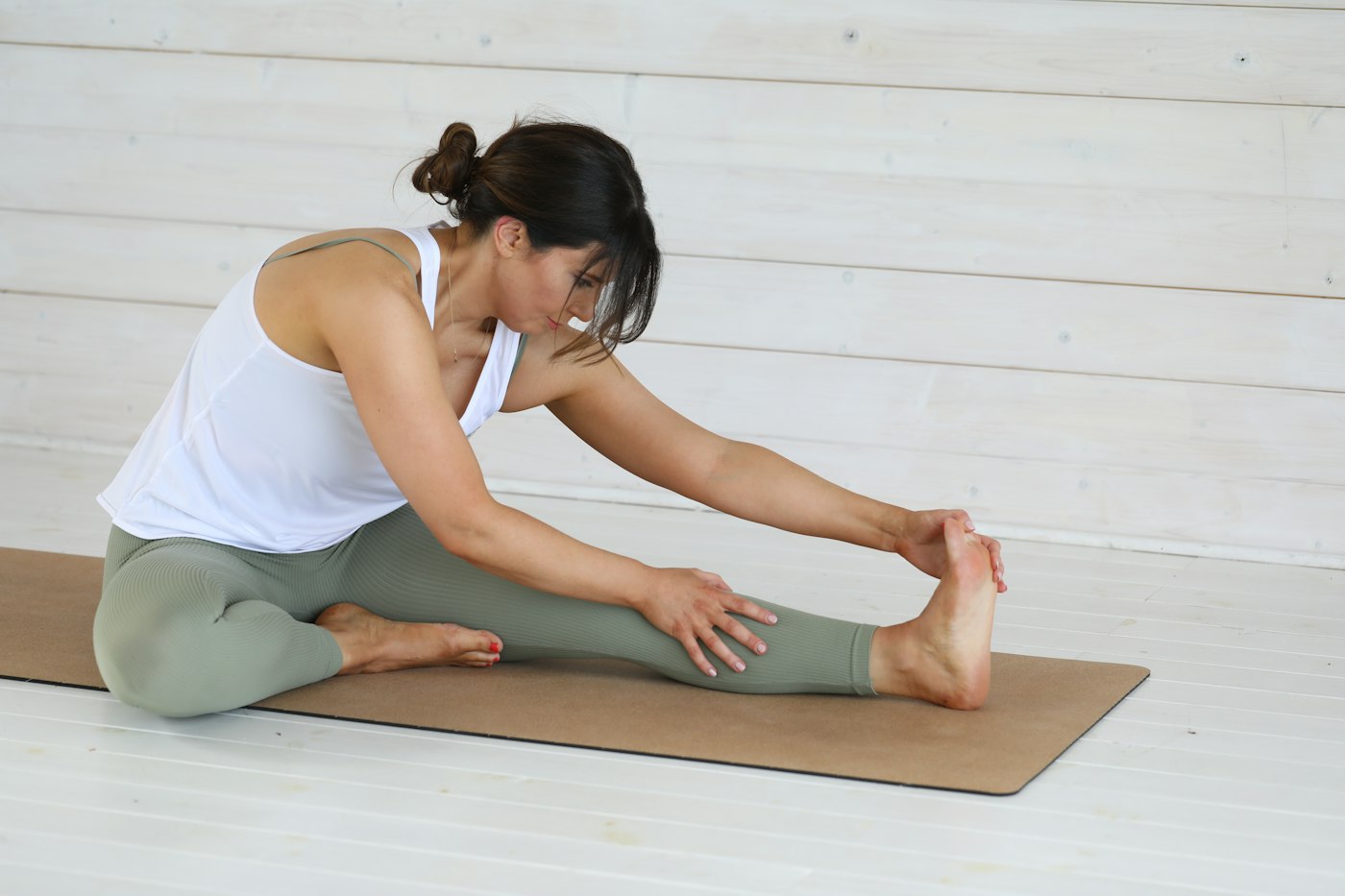
Meditation does not require crossed legs. A quiet walk can make attention visible through the lift, movement and placement of each step.
A Practice, Not a Performance
Walking meditation appears in Buddhist traditions and contemporary mindfulness programs. The goal is not a trance but noticing bodily movement while staying aware of the world.
Short practices are easier to adapt to everyday life. Research into mindfulness suggests potential benefits for stress and other outcomes, but studies differ in quality and results are not guarantees. A comfortable posture and the freedom to stop are part of doing the practice responsibly.
Try a Short Practice
- Choose a short safe path away from traffic.
- Walk slowly enough to feel your feet meet the ground, then notice shifting weight and the turn at the end.
- Continue for five minutes, keeping your eyes open.
If walking slowly feels unnatural, use your usual pace and simply notice one step out of every ten. A wheelchair user can track contact, momentum and changing scenery instead.
Keep the activity brief for a week instead of lengthening it immediately. Compare how easy it is to begin and whether you remember the skill when life becomes busy.
What to Keep in Mind
Watch for obstacles and terrain; never practice in moving traffic or while operating equipment. Stop if dizziness or discomfort appears.
Mindfulness and meditation are usually low risk but are not entirely risk-free. People can experience anxiety or other distress; change techniques or get support rather than pushing through. These practices are not substitutes for needed medical or mental health care.