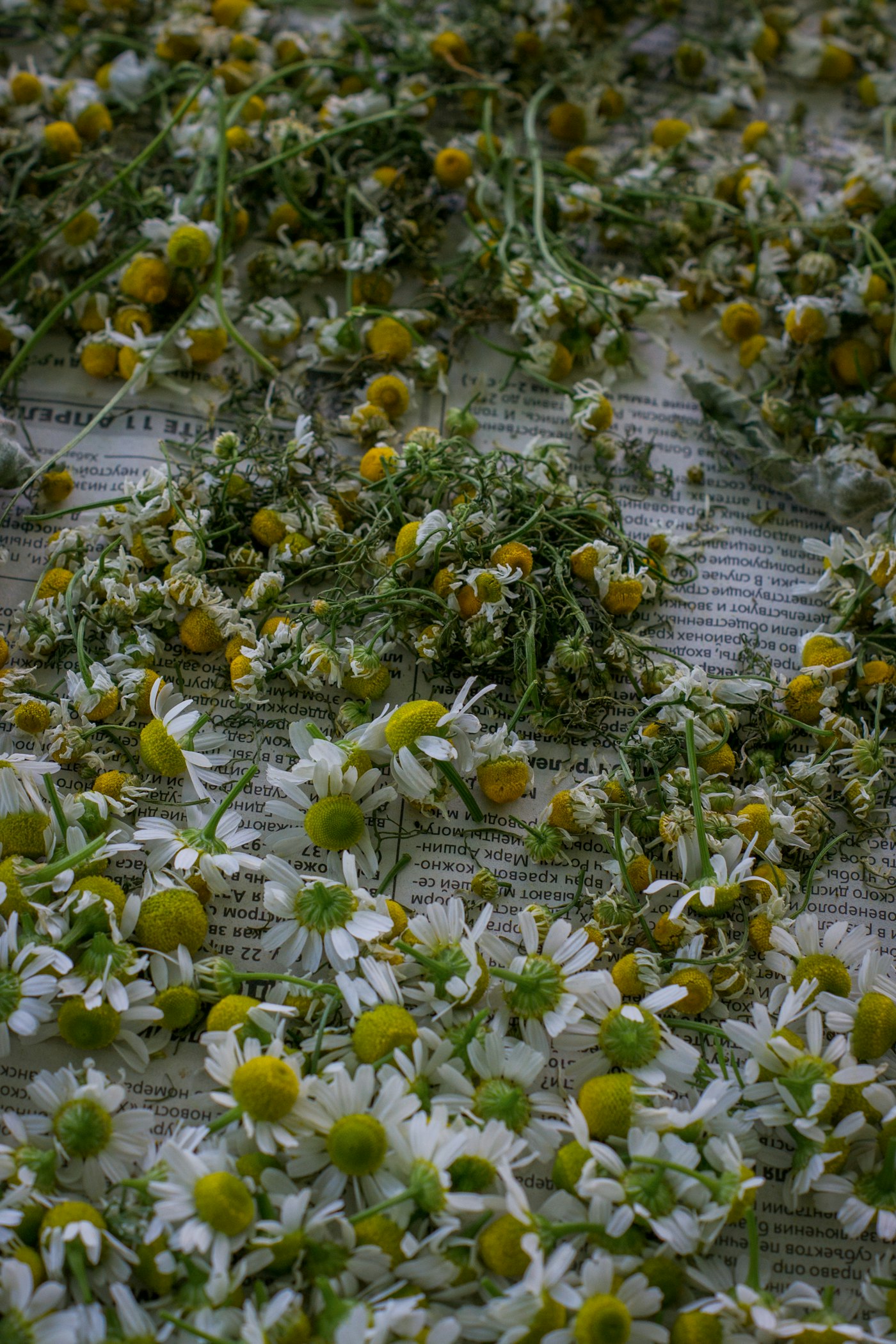
The fact that a product grows from the ground does not prevent it from altering the action of a prescription medicine.
What the Remedy Can and Cannot Tell Us
Some herbal products can affect drug-metabolizing enzymes, bleeding risk or sedation. St. John's wort is a notable example of clinically significant interactions, and other plants warrant individual evaluation.
Homemade products introduce additional issues such as contamination, unstable recipes and allergy risk. The safest workshop may focus on label-reading, ordinary food preparation and choosing when professional care is required.
A Grounded At-Home Approach
- Make a list of every supplement, tea used medicinally, prescription, over-the-counter medicine and topical product you use.
- Record brands and ingredient amounts from labels.
- Bring the list to a pharmacist or clinician for review.
When reading a supplement recommendation, ask what studies support it, whether the products match, and what interactions or contraindications are known. Do not rely on a generic natural is safe claim.
Ask a pharmacist what questions matter for someone using prescriptions, pregnant, nursing or managing a chronic condition. Do not rely on casual online advice to resolve interactions.
What to Keep in Mind
Never stop a prescription or combine multiple products to test an effect yourself. Seek urgent help for serious reactions such as severe rash, breathing difficulty or confusion.
Herbal products can cause adverse reactions and interact with medicines. Do not abandon prescribed care or use herbs to treat emergencies. Some groups—including infants, pregnant people, and people with chronic illness—need special care. Contact Poison Help at 1-800-222-1222 after suspected exposures in the United States.