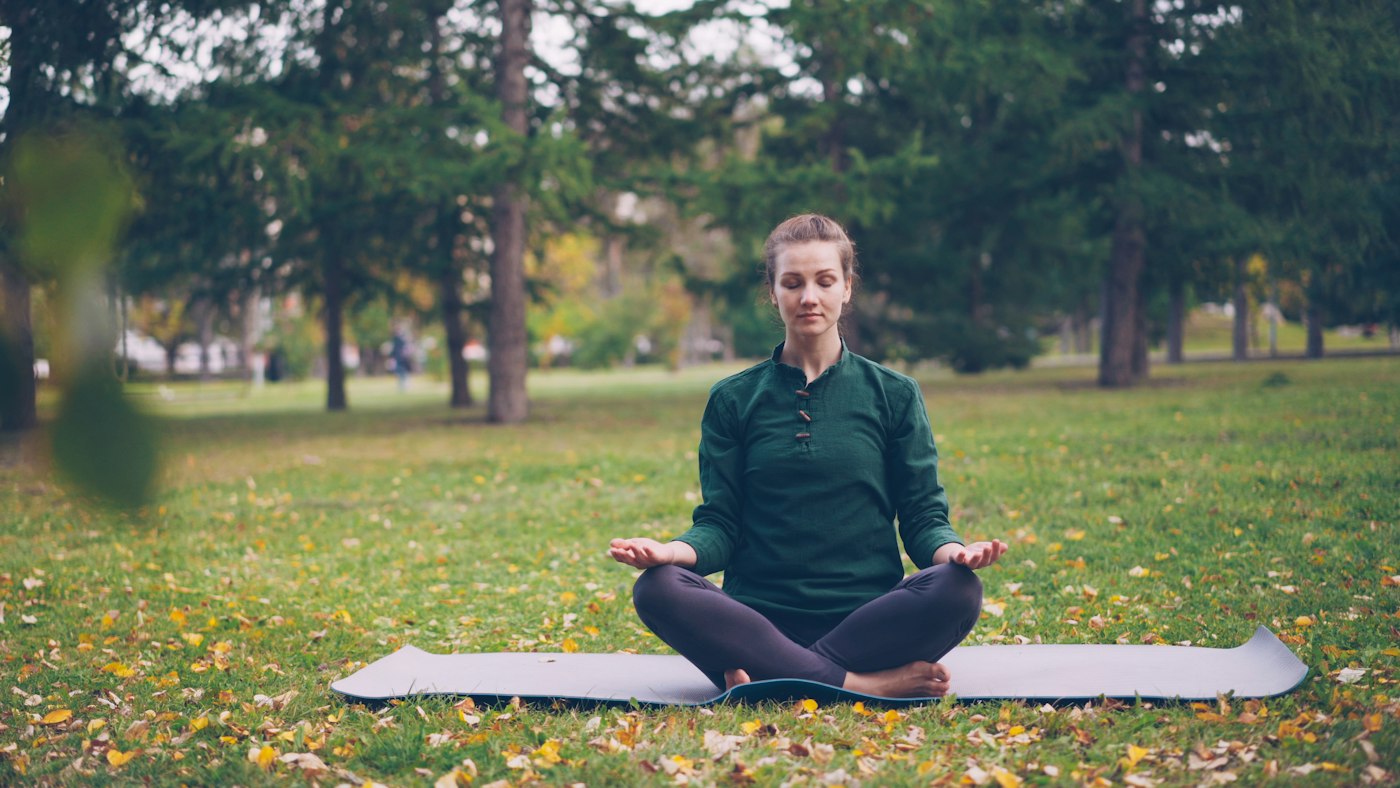
Zazen is seated meditation associated with Zen Buddhism, often described as simply sitting. That simplicity can be surprisingly demanding when you stop trying to entertain yourself.
A Practice, Not a Performance
Traditional teachers emphasize posture, attention and a community of practice. A beginner can explore the basic experience while respecting that Zen is a living religious tradition, not just a productivity hack.
Meditation methods vary because human attention varies. A technique that helps one person feel settled may feel tedious or activating to someone else. The useful test is not whether the practice produces a spectacular state, but whether it supports awareness, choice, and ordinary functioning.
Try a Short Practice
- Sit on a stable chair or cushion with an upright but comfortable spine.
- Rest your hands easily, soften your gaze toward the floor, and notice breathing without forcing it.
- When thoughts appear, acknowledge them and return to sitting for five minutes.
Ask what the posture makes possible rather than whether it looks impressive. At a group gathering, offer chair options and the freedom to step outside rather than policing stillness.
If the exercise felt neutral, that is a complete result. Repeat it in another setting only if you want to, and notice whether comfort, noise and company change the experience.
What to Keep in Mind
Avoid painful knees or prolonged fixed positions. Someone interested in deeper Zen training should learn from a qualified teacher and treat its cultural context respectfully.
Mindfulness and meditation are usually low risk but are not entirely risk-free. People can experience anxiety or other distress; change techniques or get support rather than pushing through. These practices are not substitutes for needed medical or mental health care.